
You don’t hate change. You hate being bad at things.
I say that with love, and with evidence. More than 15 years ago I committed to learning or trying something new every year, which means I’ve been a beginner at millinery, pattern making, upholstery, sailing, half marathons and tennis, among other things. I call myself an eternal hobbyist.
All that practice taught me that being a beginner is only scary when you don’t know how to be a beginner.
Most of us spend years trying to become competent. We learn the job, the industry and the systems, we build experience, and we get good at things. Then somewhere along the way, being bad at something starts to feel uncomfortable. We expect ourselves to know.
So when a new technology turns up, or the industry shifts, or something drags us outside our comfort zone, the instinct is to resist. Not because the thing is difficult, but because we don’t like the feeling of not knowing. Which is a problem, because not knowing is the starting point of pretty much everything interesting.
The temporary loss of competence
A lot of people say they struggle with change. I think what we’re often struggling with is the temporary loss of competence that comes with it.
Yesterday you knew exactly how something worked. Today the software changed, the customer changed, AI appeared, and you’re back at the beginning. That feels awful if you’ve spent years avoiding being a novice.
If you practise being a beginner, your tolerance for that feeling goes up. “I can’t do this” becomes “I don’t know how this works yet.” That one small word does a lot of work. Being a beginner stops being evidence that you’re incapable and becomes a stage in the process.
Being a beginner is a skill
One of the most useful habits you can build as a business owner is regularly putting yourself in situations where you don’t know what you’re doing. Take a class. Use a new tool. Try something you’ll probably be terrible at.
Do it often enough and you get good at being OK with not knowing. You ask better questions. You stop worrying so much about looking silly. You experiment instead of waiting for perfect instructions.
Most importantly, you build confidence in your ability to figure things out. Not confidence because you already know the answer. Confidence because you know you can probably find one. I’d argue that’s the most valuable kind a business owner can have.
Business is a long list of firsts
Your first customer. Your first hire. Your first time dealing with whatever random problem decides to appear at 4:37pm on a Tuesday. Nobody hands you the completed manual at any point, so getting comfortable as a beginner isn’t optional.
Beginners also ask the questions experts stop asking. Why do we do it this way? What happens if I try this instead? Without years of assumptions attached, you see possibilities other people walk straight past.
Learn things that have nothing to do with your business
Some of the best lessons I’ve taken into my work came from making things. Not from a business book, not from an MBA textbook (and I have the MBA), and not from another entrepreneur’s 5-step framework.
An upcycling upholstery course taught me that you learn the rules so you can break them. Millinery taught me that a good hat looks effortless even though the mechanics underneath are technical, which is exactly how a good customer experience should feel. Pattern making taught me that details matter, and also when to be precise and when you can be playful. What matters and what doesn’t.
Then there’s the half marathon, which nobody would call a creative pursuit. It busted my belief that I wasn’t a runner. I’m a slow runner. Still a runner.
Creative work teaches you that the first version is rarely the final one, that constraints help, and that sometimes you don’t know what you’re making until you start. All of that carries straight into business.
It also gets you out of your bubble. If you only learn from people who think like you and work in your industry, eventually you all solve problems the same way. Different inputs create different ideas.
You don’t need to become an expert
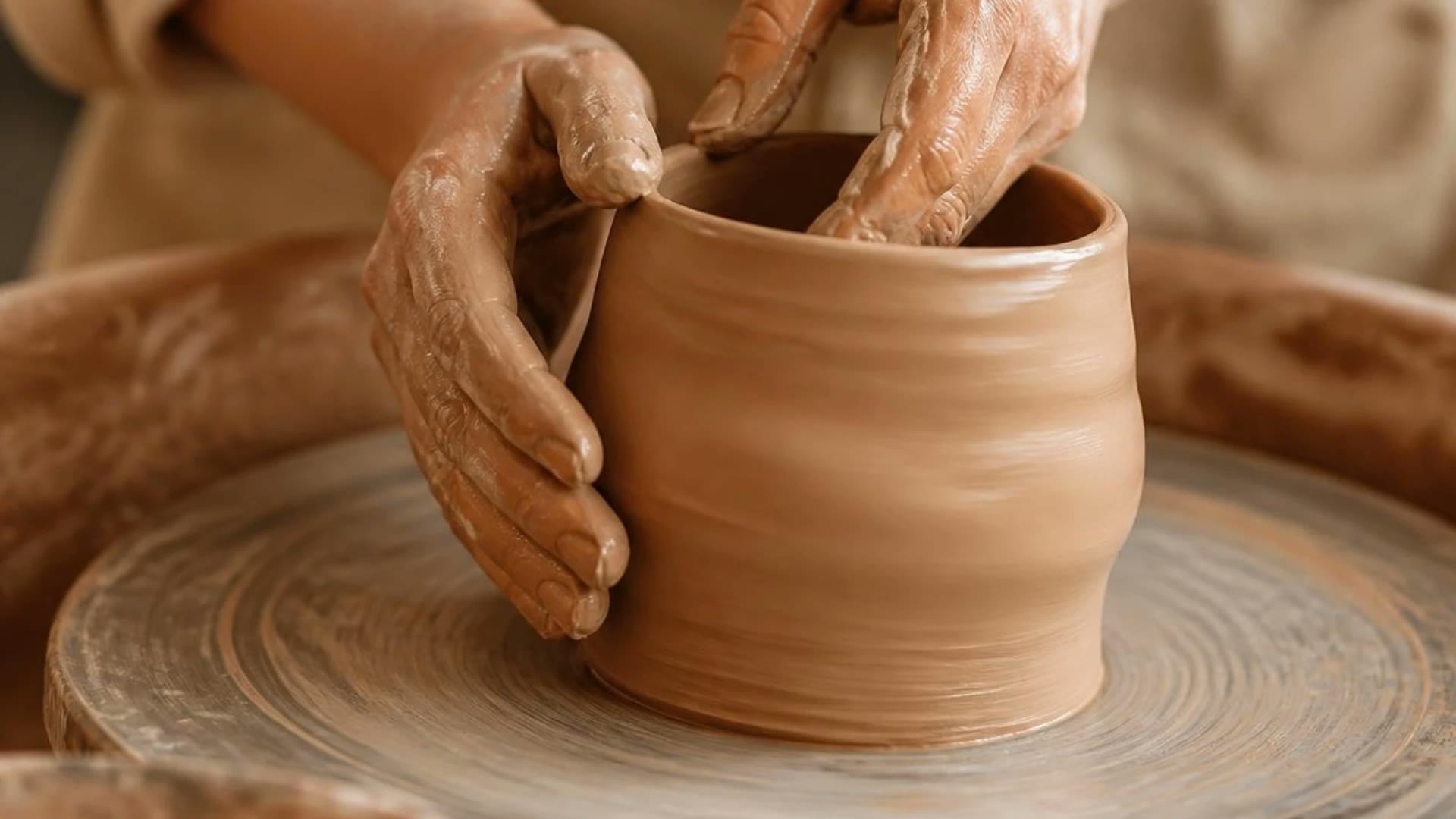
You don’t need to become the world’s best potter because you took a ceramics class. You don’t need to turn every hobby into a side hustle. You’re allowed to learn something purely because you’re curious.
The point is the practice:
I don’t know → I’ll find out → I’ll try → that didn’t work → I’ll adjust → I figured something out.
Do that often enough and it becomes a habit, and the habit starts showing up everywhere.
Become a beginner on purpose
If change feels hard, start somewhere low stakes. Bake something you’ve never made. Take a drawing class. Build a tiny website. Pick something where being terrible has no consequences at all.
Then practise the feeling more than the skill. Ask the stupid question. Look it up. Get it wrong. Try again. Say out loud, “I have no idea what I’m doing yet, but I’ll figure it out.”
Business isn’t going to stop changing. The people who adapt best won’t always be the ones who know the most. They’ll be the ones most comfortable not knowing yet.
So, what are you going to be bad at this year?
If you’d rather be a beginner in good company, come and join the Milking Ducks community. We build things together every month, and nobody expects you to know what they’re doing yet. Join us on Skool.