
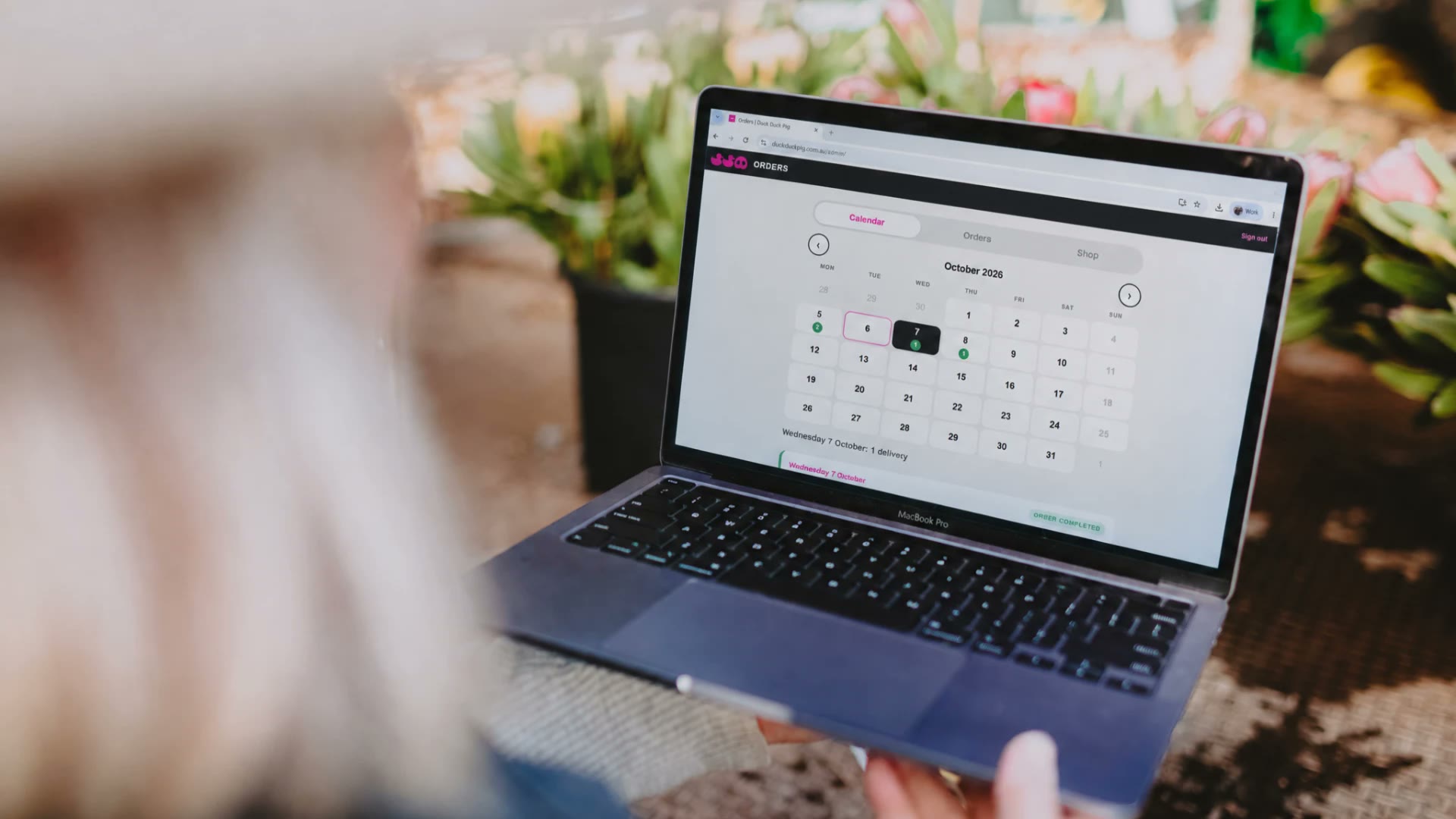
I’m not a software developer. But one morning I woke up wanting an app to run our farm shop, and less than 4 hours later it was on my phone.
The day before, I’d rebuilt our entire farm website using AI. Website, shop, mailing list, the lot, in under 12 hours. Then I went out for dinner while it published.
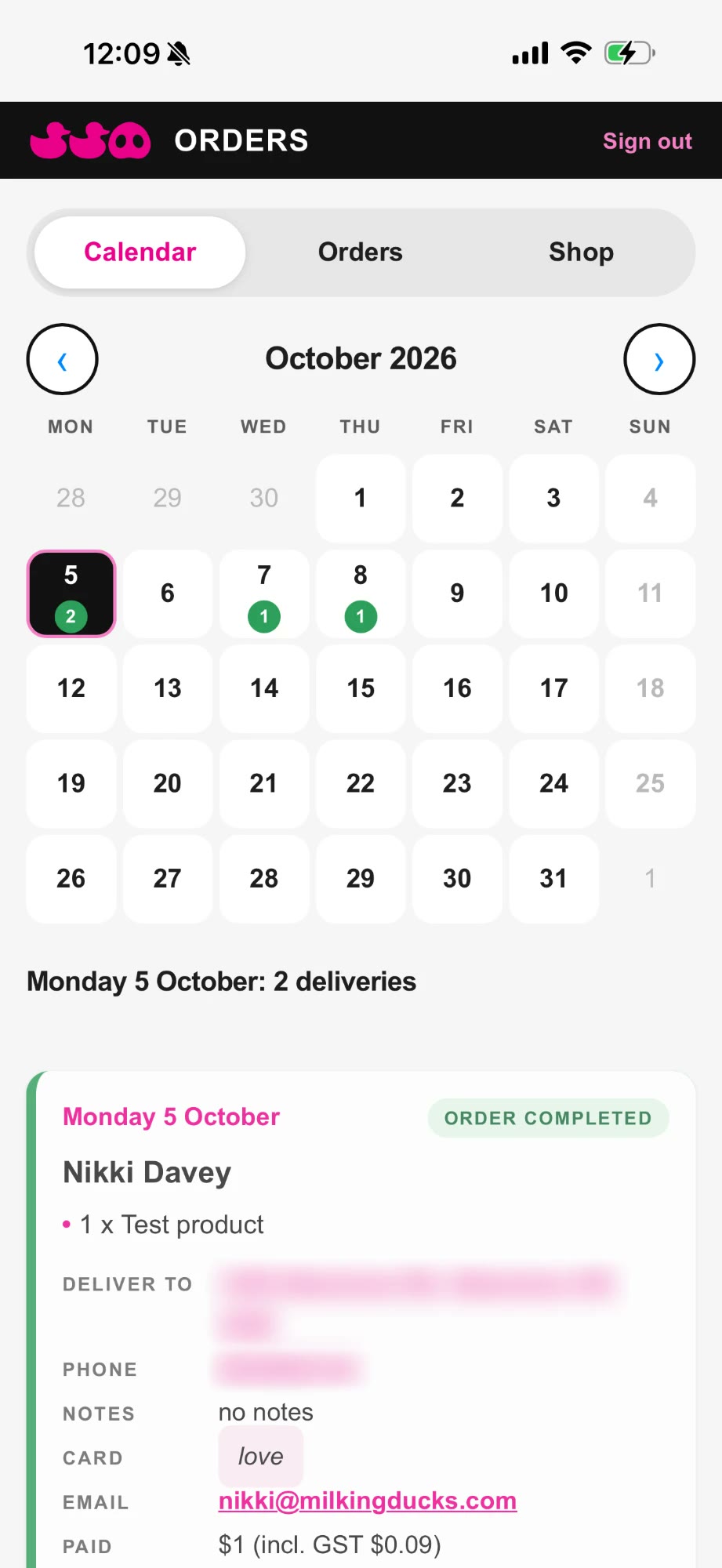
The app was the bit that got me. It shows me orders, notifies me when something happens and puts the calendar and upcoming delivery dates in front of me. I can add a product, edit it or hide it without logging into the back end of a website. It does the handful of things I need to run this particular business, and nothing else.
Now we can see every order in one place, which saves us time. Each delivery links straight to Google Maps, we mark it complete when it’s done, and more than one of us can be logged in at once, so everyone can see where things are at.

I think that changes the conversation we need to have about technology in business.
We’ve spent years fitting our businesses around our technology
For a long time, choosing technology meant choosing the closest available option. You’d research platforms, compare feature lists, work out which one did 70% or 80% of what you needed, then change your processes to cover the rest.
You’d end up with 5 or 6 different apps: one for bookings, one for customers, one for email, one for products, one for reporting. Then you’d connect them with integrations and automations and hope nobody changed anything behind the scenes.
That was still better than building your own, because custom software was expensive. Developers, designers, project managers, months of work. So we compromised, and built our businesses around the technology available to us.
The cost of custom has collapsed
AI doesn’t only make existing software faster to use. It changes who gets to build software in the first place. I can describe what I want, build it, test it, change it and add another feature, all in hours.
That doesn’t mean everyone should build all their own software. Please don’t read this and spend the weekend recreating Xero.
But there’s now a much bigger space between buying an off-the-shelf platform and spending $200,000 on custom software. Small tools, dashboards and apps built around the way you operate are suddenly within reach.
Which raises a question. If technology is this easy to shape, why are we still putting up with technology that doesn’t solve the problem?
Technology theatre
Technology is rarely the silver bullet we think it is. Too often we’re sold snake oil and pray it’ll fix the problem. Usually it turns out to be an expensive way of learning we’ve created more work for ourselves, for a subpar solution.
And now we can build the wrong thing much faster.
You can automate a terrible process. Build a dashboard nobody needs. Create an app for something that should have been a checklist. Turn a 2-step task into an impressively sophisticated 12-step AI workflow.
I think we’re about to see a lot of this. Technology theatre: things built because we can, not because we should.
The farm app worked because I knew what annoyed me before I built anything. Our little farm shop ran on WordPress, Hostinger, WooCommerce, Stripe and Canva, and I didn’t want to log into 5 different places to run it. I didn’t want to wade through a full website back end to hide one product. I wanted orders and delivery dates in front of me while I was out running the farm. I’ve since cancelled most of them, plus a pile of plugins. The friction came first and the technology came second.
That order matters more than the tool. I’ve written more about it in Technology supports the solution. It isn’t the solution.
Your software should follow your business
So before asking which software has the features you need, ask what the ideal way of doing the job would look like. Then decide whether something that already exists does it well enough. If it does, fantastic. Use it.
If it doesn’t, you might only need one small thing: a dashboard, an automation, or a tiny app that does 5 things extraordinarily well instead of an enterprise platform with 400 features you never touch. Or the best answer might not involve technology at all.
Whatever you land on, hold it to 2 tests. Does it fit the way your business operates? And does it make the system simpler, or add another layer to it?
We’re moving from a world where businesses squeeze themselves into their software to one where software can be shaped around the business. I built a tool for my farm in under 4 hours, so that world is already here.
Understand the problem. Design the better way. Then use AI to help you build it.
If you want to build your own solutions, check out my community. It’s where we build it, launch it and make it better.